A Simple Timeline Most Homeowners Can Follow
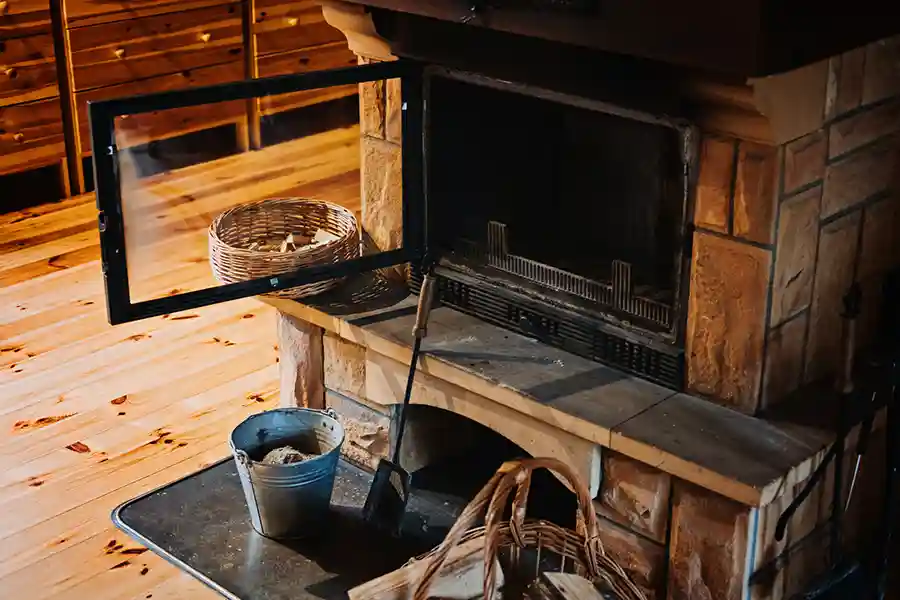
You should schedule fireplace cleaning at least once a year if you use your fireplace regularly. If you burn wood often during fall and winter, you may need it more than once a year. Light use may only need a check every 12 to 18 months. The goal is to keep the chimney clear, reduce fire risk, and help your system run safely.
Why Prevention Matters
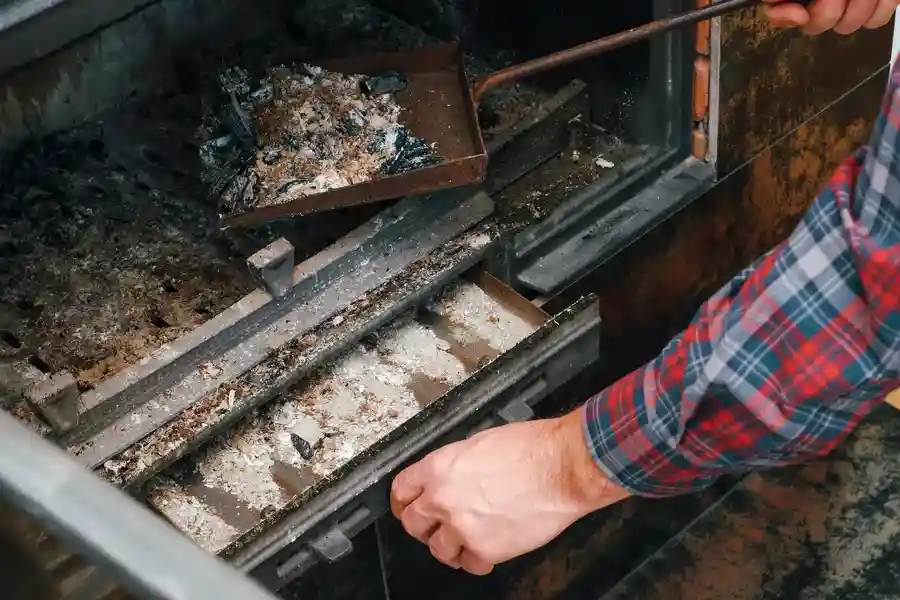
Fireplaces create soot and creosote every time you burn wood. Creosote is a dark, sticky buildup that forms inside the chimney. It is highly flammable. If it gets too thick, it can start a chimney fire. Regular fireplace cleaning removes this buildup before it becomes dangerous.
Even gas fireplaces are not maintenance free. Dust, debris, and small blockages can still form. Routine service keeps your system working the way it should.
Early Warning Signs You Need Cleaning Sooner
Sometimes your fireplace will show signs that it needs attention before your yearly visit. Watch for these problems:
- Strong smoky smell, even when not in use
- Smoke backing up into the room
- Black soot falling into the firebox
- Slow starting fires
- Animal sounds or nesting debris in the chimney
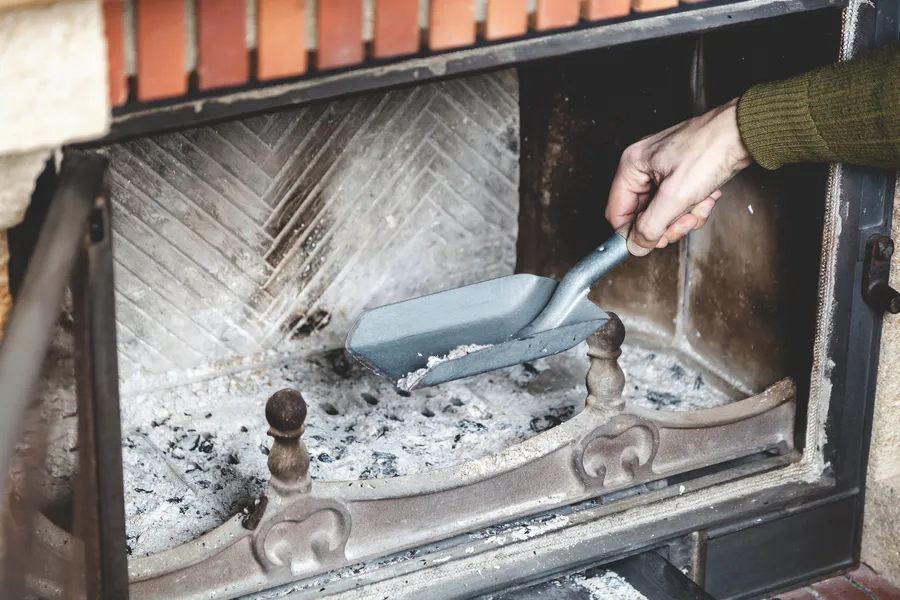
If you notice any of these signs, do not wait. Schedule fireplace cleaning as soon as possible.
Seasonal and Routine Checklist
The best time for fireplace cleaning is late summer or early fall. This gives you time to fix issues before cold weather hits. Here is a simple routine you can follow each year:
- Inspect the firebox for cracked bricks or heavy soot.
- Check the damper to see if it opens and closes smoothly.
- Look up the chimney with a flashlight for visible buildup.
- Schedule a professional chimney sweep before peak season.
- Test smoke and carbon monoxide alarms.
If you use your fireplace more than three times a week during winter, plan a mid-season check as well.
Best Practices for Long-Term Results
Burn only dry, seasoned wood. Wet wood creates more smoke and more creosote. Avoid burning trash, cardboard, or treated lumber. These materials produce excess soot and harmful fumes.
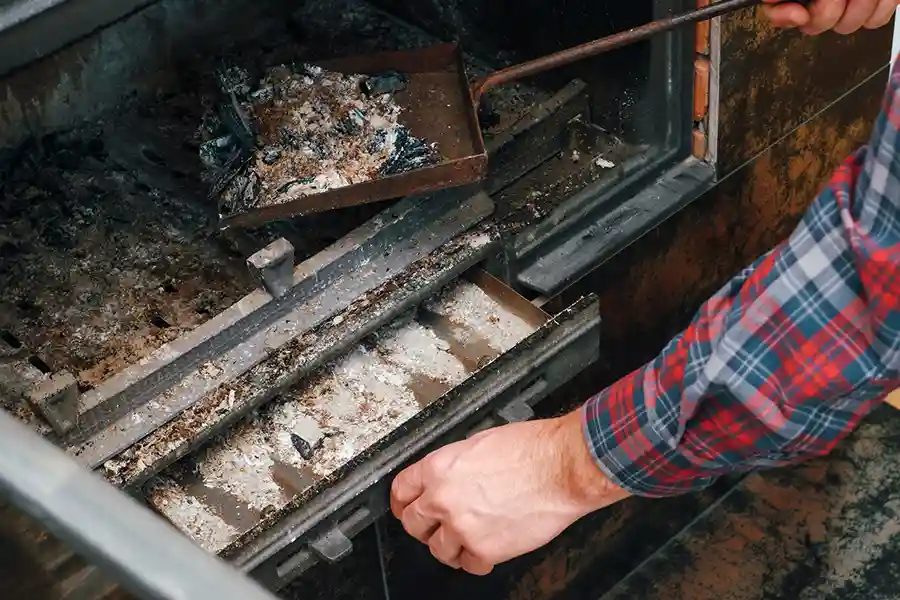
Keep the area around your hearth clean. Ash should be removed regularly, but leave a thin layer to help start future fires. Also, have your full system inspected as part of your home maintenance routine. Small cracks or loose chimney caps can lead to bigger issues if ignored.
If your home is part of a larger service category like annual home safety inspections, add fireplace cleaning to that checklist. Keeping everything on the same schedule makes it easier to remember.
What Not to Do
Do not assume that a small fire means small buildup. Even short fires create creosote. Do not try to clean deep inside the chimney yourself without proper tools. Store-bought logs that claim to clean chimneys can help reduce buildup, but they do not replace a full cleaning.
Avoid skipping years to save money. The cost of repairs after a chimney fire is far higher than routine fireplace cleaning.
When to Schedule Professional Help
Schedule professional fireplace cleaning once a year if you burn wood regularly. If you just moved into a home and do not know the last service date, book an inspection right away. Also call for help if you see damaged brick, rusted dampers, or heavy creosote layers thicker than a quarter inch.
Professionals use special brushes, vacuums, and cameras to check the full chimney system. They can spot hidden cracks or blockages that you may not see from below.
Ready to Book Your Next Service?
If you live in Magalia, CA and are not sure when your last fireplace cleaning was done, I can help you figure out the right schedule for your home. At Grand Ole Chimney & Indoor Air, I focus on safe, thorough service and clear advice you can trust. Call me at (530) 206-0629 to set up an inspection or ask questions about your fireplace cleaning needs.